Lip Care
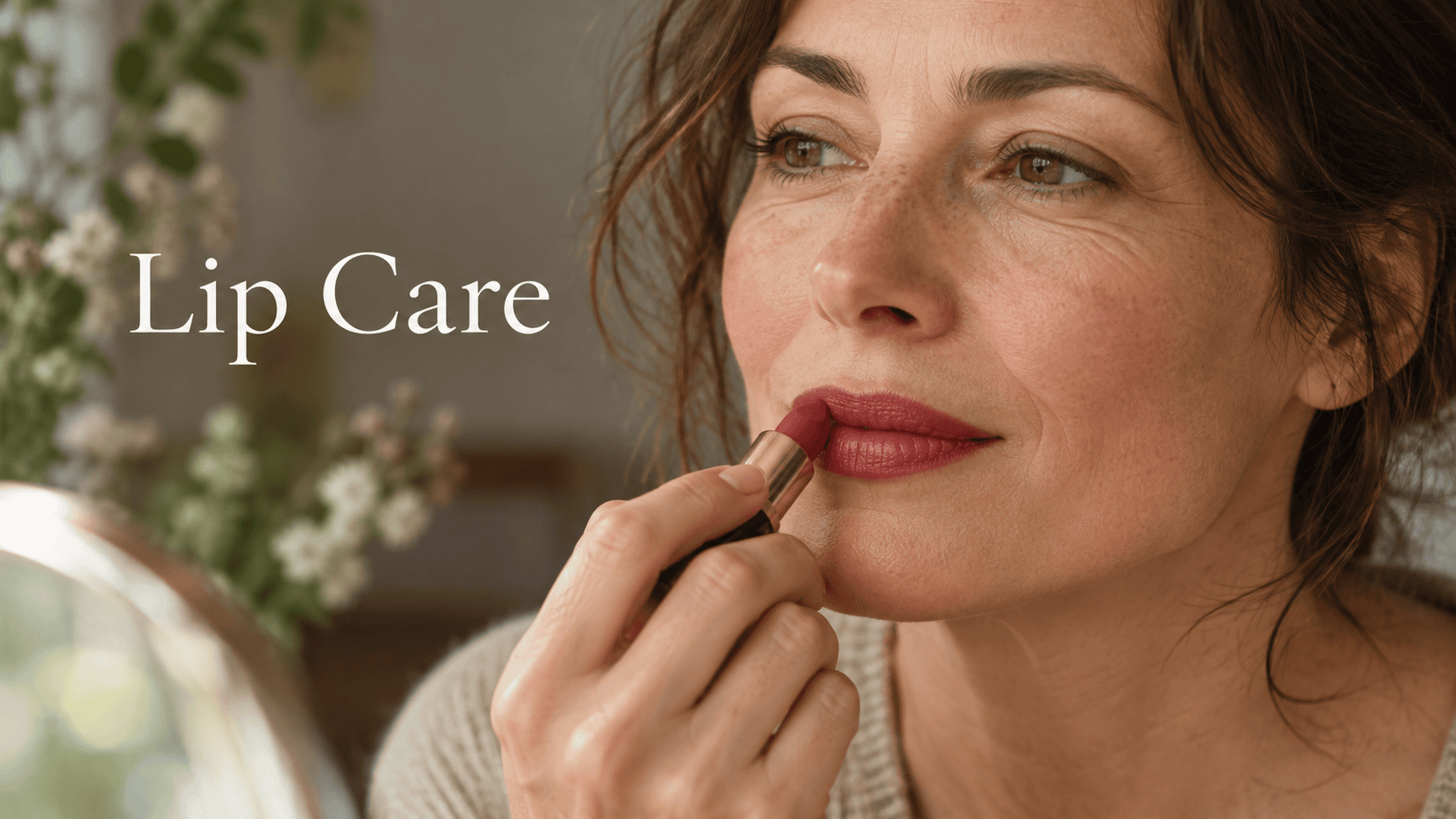
I just wanted a proper lipstick.
Most of what I formulate for Nurturing Skin came from treating skin that was struggling — congested, reactive, in need of repair. The lipstick came from somewhere else entirely.
I don't wear much makeup, day to day. It's not that I don't want to — I'd like to look as put-together as anyone. It's that most of what's available doesn't sit well with how I think about what goes on the body, applied several times a day, for years. So for special occasions I'd reach for whatever was in my bag, usually something I wouldn't have chosen if I'd had a real alternative.
What I actually wanted was simple to say and hard to find: a proper lipstick, with the colour, finish and staying power lipstick is meant to have, made with an ingredient list I'd have written myself. Tinted lip balms from the health food store were never enough — the colour was too faint to do what a lipstick does.
I assumed this would be easy to find. It wasn't. I spent years looking, and found almost nothing. When I looked closely at what goes into a conventional lipstick — the ingredients that create glide, hold the colour in place and produce vivid, consistent shades — I began to understand why. Making a lipstick behave like a proper lipstick, with the kind of ingredient list I wanted, is genuinely difficult.
It wasn't until Nurturing Skin existed that I finally had the means, and the reason, to try making one myself. It wasn't originally a clever idea for the range — it solved something I'd personally wanted for years and never been able to buy.
That difficulty turned out to be real, not just theoretical. Getting the depth of colour, consistency and performance I wanted from the pigments I had chosen took repeated attempts — which is why, so far, I've formulated only one shade. It isn't a design choice or a limited-edition idea. It's simply a reflection of how difficult this has been to get right.
I'm not going to tell you a natural lipstick is safer than the alternative, or that it will change your skin — I can't prove that, and I don't like claims I can't stand behind. What I can tell you is that I looked for years and found almost nothing made the way I wanted.
And when I finally made one that gave me the colour and feel I'd been looking for, I was genuinely delighted. I had a proper lipstick — not a compromise I was accepting because I'd chosen a different kind of formulation — and I could feel comfortable wearing it.
From one lipstick to a small lip care range
Once I started formulating for the lips, it made sense to think beyond lipstick.
There are days when I don't want the colour or finish of a lipstick. Sometimes I want something softer and easier to reapply throughout the day. Sometimes I simply want conditioning and shine.
That's how the other lip products developed.
The Tinted Lip Balm provides softer, more casual colour while still caring for the lips. I've now made a Tinted Vegan Lip Balm for those who prefer an animal-free alternative, with noticeable colour and a slightly glossier finish. The Botanical Lip Oil takes colour largely out of the equation and concentrates instead on conditioning, softness and shine.
But the same thinking runs through all four products. Lip products are applied directly to the lips, often repeatedly throughout the day, and inevitably tiny amounts will be swallowed during normal use. That makes me particularly conscious of what I choose to put into them.
I still want them to be enjoyable cosmetic products. I want colour where colour belongs, shine where I want shine, and ingredients that make the products feel good on the lips.
A vegan tinted option is now available
The Botanical Lip Oil is already vegan, but I wanted to offer another choice for people who enjoy wearing lip colour while avoiding animal-derived ingredients.
So I've now created a Tinted Vegan Lip Balm, using coconut oil, candelilla wax and castor oil, with mineral pigment for a genuine, noticeable tint.
It wasn't particularly easy to get right. Balancing colour, texture and firmness with plant-based ingredients took some experimenting, but I wanted a balm that would condition the lips while still giving you colour you could actually see.
The finished balm has a slightly softer consistency and a gentle shine.
You can now choose between the original tallow Tinted Lip Balm and the new vegan version, depending on your preference.
Explore the Lip Care Collection
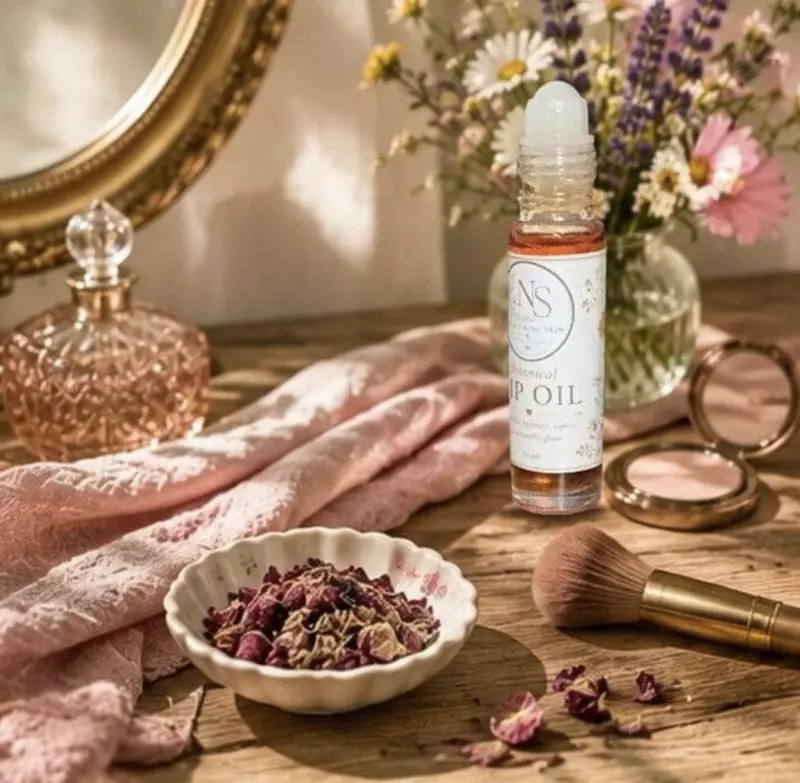
Botanical Lip Oil
Dry, uncomfortable lips are something many people experience, and I wanted to create a lip oil that does more than simply add shine.
This vegan formulation combines jojoba, sweet almond, coconut and castor oils with sea buckthorn and antioxidant-rich E-Asta-Sel. The oils were chosen for their conditioning and emollient qualities, helping to soften the lips, reduce moisture loss and leave them feeling more comfortable.
Castor oil also provides a lovely natural gloss, but the shine is an added benefit, not the main reason for the formulation.
Wear it alone when your lips need conditioning and softness, or over lipstick when you want additional comfort and shine.
Tinted Lip Balm
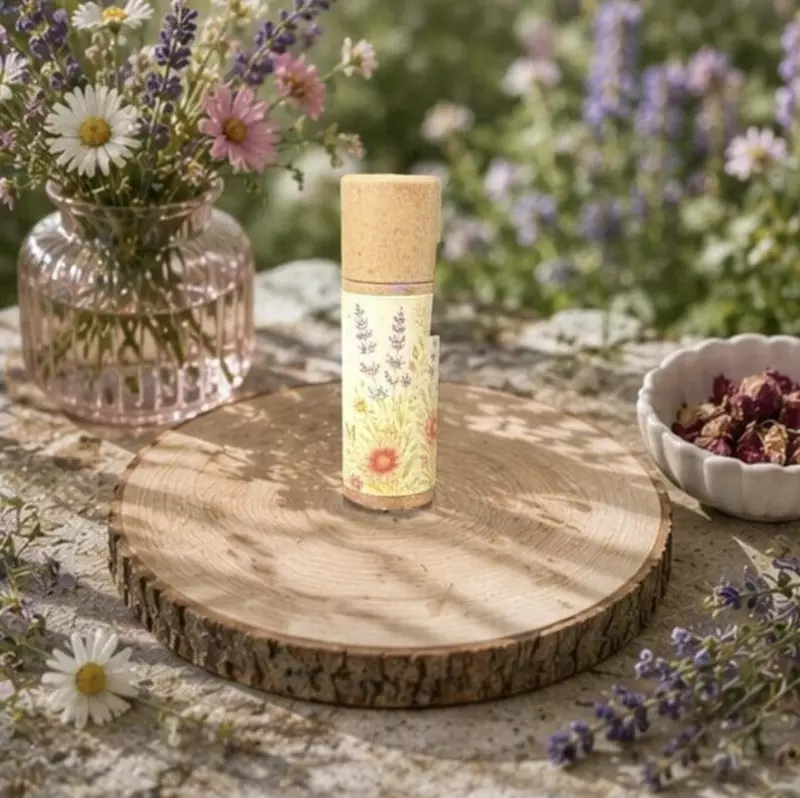
A softer alternative to lipstick when you still want some colour. Made with tallow, beeswax and sweet almond oil, with mineral colour for a wearable tint and frankincense as part of the lip-care formulation. It conditions the lips while adding colour without the stronger finish of a lipstick.
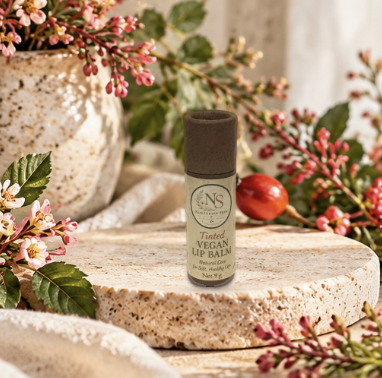
Tinted Vegan Lip Balm
A plant-based tinted balm with noticeable colour, a gentle shine and a soft, conditioning feel. Made with coconut oil, candelilla wax, castor oil and mineral pigment.
Vegan and free from animal-derived ingredients.
Natural Lipstick
The product that started the Lip Care range. I wanted a proper lipstick — genuine colour, a firmer lipstick finish and enough staying power to feel like lipstick rather than a tinted balm — but made from an ingredient list I was comfortable wearing on my lips.
Tallow, beeswax and conditioning oils form the base, with carefully chosen pigments providing the colour and frankincense included for its contribution to lip and skin care. It took repeated attempts to get the colour and consistency right, and for now there is just one shade.